More than 350 professionals joined SWGfL’s recent webinar exploring the proposed social media ban for under-16s and what it could mean for schools and other organisations.
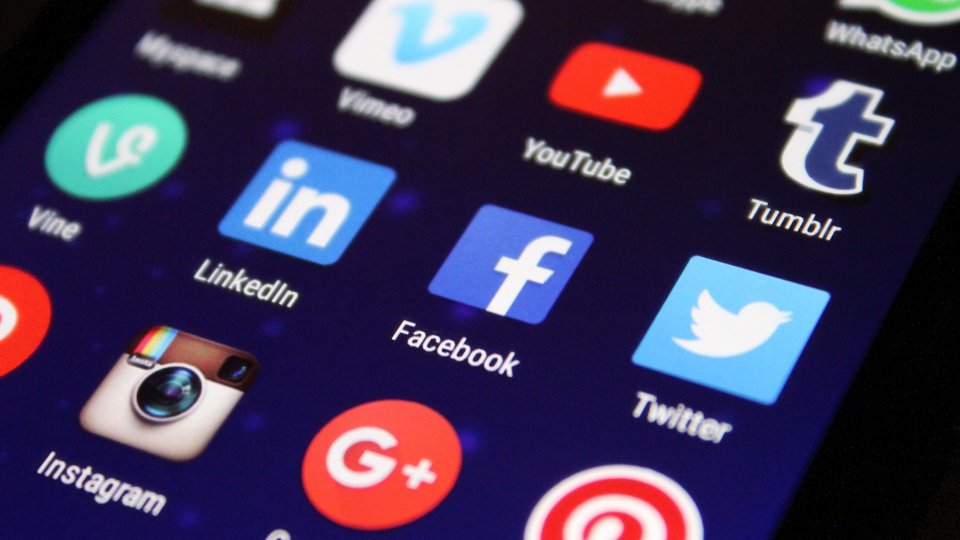
The proposed ban is expected to come into force in Spring 2027, with regulations expected to be laid before Parliament by December 2026. The current proposals would restrict under-16s from holding accounts on platforms including Snapchat, TikTok, YouTube, Instagram, Facebook and X, with the list expected to expand. The responsibility for age verification and enforcement will sit with the platforms, rather than schools, families or young people.
What does this mean for schools?
The webinar highlighted that the ban should not be seen as a replacement for online safety education. Schools and professionals will continue to play an important role in helping young people understand online risks, develop digital literacy and know where to seek support.
Organisations should also consider how they will respond if a young person discloses that they are using a restricted platform. The expectation is that young people should not automatically face sanctions simply for using a banned platform; organisations should instead establish a clear safeguarding, pastoral or behavioural response.
Questions remain
There are still important details to be confirmed, including how existing under-16 accounts will be handled, what age verification will look like and how platforms will prevent young people from accessing services through adult accounts or other workarounds.
Experience from Australia suggests that access restrictions alone may not prevent young people from using social media. The briefing also highlights concerns that young people who continue to use platforms secretly may become less likely to tell parents or teachers when something goes wrong online.
Preparing for 2027
For schools and professionals, the focus should be on understanding the changes, reviewing existing online safety policies and ensuring staff, parents and young people receive clear information.
The proposed ban is one part of a wider approach to online safety. Continued education, open communication and greater responsibility for platforms to build safer services will remain important as the legislation develops.
Continued focus on digital literacy and providing additional safeguarding support will also continue to guide students during this change. The ProjectEVOLVE digital literacy toolkit and Whisper Anonymous Reporting are both here to help throughout this evolving landscape.
To learn more about the potential social media ban and the thoughts of safeguarding and education professionals, please visit our website.