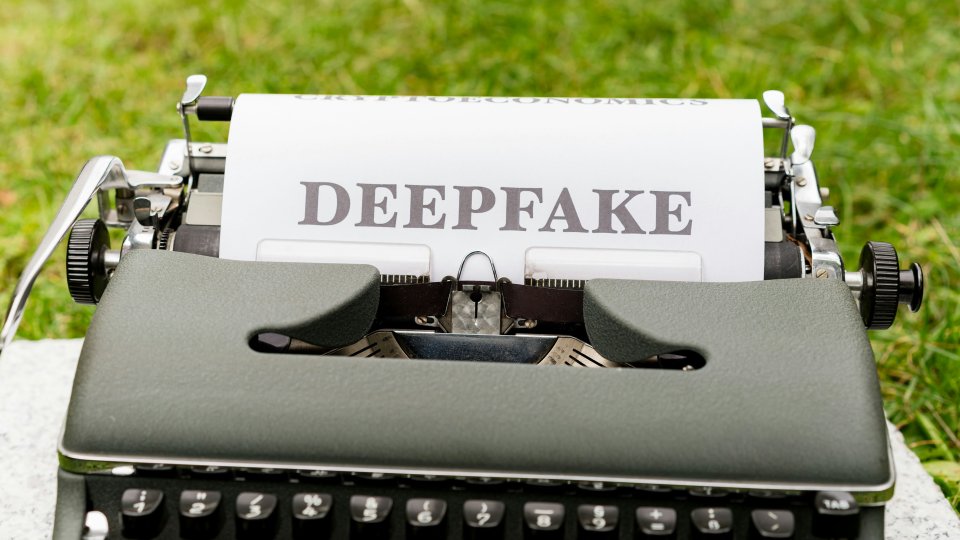
Synthetic intimate images, sometimes referred to as 'deepfakes', are photos or videos that have been digitally manipulated or generated to show a person in an intimate state (i.e. nude, partially nude or performing a sexual act). These can be images or videos where the face in a photo is changed to replace the likeness of one person with another. Synthetic content can also be created from prompts and requests, using generative AI technology. For instance, the use of ‘nudification’ apps.
If you have been affected by the sharing of synthetic intimate images or videos, what has happened to you is not okay, and we are here to support you. We understand that this kind of abuse can feel incredibly violating and impactful. It is not any less significant because the content is ‘not real’.
What Does The Law Say?
Creation:
It is now against the law in England and Wales for someone to intentionally create, or request that someone else creates, a purported intimate image of another person without their consent. This is covered by the Sexual Offences Act, which was updated by Section 138 of The Data (Use and Access) Act 2025. This came into effect on the 6th of February 2026. There is not yet a similar law in other parts of the UK, but the governments of Scotland and Northern Ireland are both currently considering this.
Here’s how the law defines it in England and Wales:
Section 66E - Creating purported intimate image of adult
(1) A person (A) commits an offence if—
(a)A intentionally creates a purported intimate image of another person (B),
(b)B does not consent to the creation of the purported intimate image, and
(c)A does not reasonably believe that B consents.
Section 66F- Requesting the creation of purported intimate image of adult
(1)A person (A) commits an offence if—
(a)A intentionally requests the creation of a purported intimate image of another person (B) (either in general or specific terms),
(b)B does not consent to A requesting the creation of the purported intimate image, and
(c)A does not reasonably believe that B consents.
In Simple Terms
You can now commit a criminal offence in England and Wales if you create a fake intimate image of someone, or ask someone else to create one, without that person's permission.
"Purported intimate image" generally means an image that appears to show a real person in a sexual, nude, or otherwise intimate situation, even if it is fake, edited, AI-generated, or manipulated.
Section 66E: Creating a purported intimate image
A person commits an offence if they:
- Deliberately create a fake intimate image of someone else.
- The person in the image did not agree to it being created.
- The creator didn't reasonably believe they had that person's consent.
Example:
Someone uses AI to create a fake nude image of their colleague without the colleague's permission. That could be a criminal offence.
Section 66F: Requesting the creation of a purported intimate image
A person commits an offence if they:
- Ask someone else to create a fake intimate image of another person.
- The person depicted did not agree to that request being made.
- The requester didn't reasonably believe they had that person's consent.
Example:
Someone pays or asks an AI artist, website, or friend to create a fake sexual image of an ex-partner without the ex-partner's permission. That could also be a criminal offence, even if they didn't create the image themselves.
What "does not reasonably believe that B consents" means
It's not enough to simply say, "I thought they'd be okay with it."
There must be a reasonable basis for believing the person consented. If there is no good reason to think they agreed, this part of the offence is likely met.
Sharing
It is currently against the law in the UK to share or threaten to share an intimate image without consent. In England, Wales and Scotland, this includes images which have been manufactured, edited or altered to become an intimate image.
In England and Wales, this is covered by the Sexual Offences Act, which was updated by the Online Safety Act in 2023. It is now a criminal offence to share intimate images or videos, whether real or fake, without the person’s consent.
Here’s how the law defines it:
Section 66B - Sharing or threatening to share intimate photograph or film
(1) A person (A) commits an offence if—
(a) A intentionally shares a photograph or film which shows, or appears to show, another person (B) in an intimate state,
(b) B does not consent to the sharing of the photograph or film, and
(c) A does not reasonably believe that B consents.
(d) A threatens to share a photograph or film which shows, or appears to show, another person (B) in an intimate state
Under ‘interpretation’, you can also find that “Photograph” and “film” have the same meaning as in section 66A. Section 66A highlights the following:
References to a photograph or film also include-
(a) an image, whether made or altered by computer graphics or in any other way, which appears to be a photograph or film,
In Simple Terms
If someone shares an intimate image or video without your consent that looks like you are nude, semi-nude or engaging in a sexual act, even if it was digitally generated or altered, they are breaking the law. This also applies if someone threatens to share an intimate image or video even if it was digitally generated or altered.
A person commits an offence if they:
- Intentionally share a photo or video of another person.
- The photo or video shows, or appears to show, that person in an intimate state (such as nude, semi-nude, or engaged in a sexual act).
- The person shown did not consent to it being shared.
- The person sharing it did not have a reasonable belief that consent had been given.
- Threaten to share an intimate image or video even if it has been digitally altered or generated.
What counts as a "photograph" or "film"?
The law makes clear that this doesn't just apply to real photos and videos.
It also includes images that have been created, edited, manipulated, or generated using computer software, including AI, where the result appears to be a real photograph or video.
Examples
It is a criminal offence if someone
- Shares a nude photo of an ex-partner without their permission.
- Posts an AI-generated fake nude image that appears to depict a real person.
- Sends a manipulated sexual image of someone without their consent.
- Threatens to send an intimate image.
Creating and Supplying Deepfake Image Generators
In June 2026, Section 66I of the Sexual Offences Act 2003 came into force, introducing a new criminal offence targeting those who create, adapt, supply, or offer tools designed to generate non-consensual intimate deepfake images. Specifically, the law applies to "generators of purported intimate images" - technology that creates, or facilitates the creation of, intimate images depicting a person.
Under the new offence, a person is committing a crime if they:
- Make or adapt a tool for generating purported intimate images
- Supply such a tool to others
- Offer to supply such a tool
Importantly, the legislation includes a defence where an individual can demonstrate that they took all reasonable steps to prevent the technology from being used to create purported intimate images of a person without their consent. Those found guilty can face up to three years' imprisonment, a fine, or both.
The Scottish and Northern Ireland Law
In Scotland, the sharing of synthetic sexual content is covered by the Abusive Behaviour and Sexual Harm Act.
Here’s how the law defines it:
Section 2- Disclosing, or threatening to disclose, an intimate photograph or film
(1)A person (“A”) commits an offence if—
(a)A discloses, or threatens to disclose, a photograph or film which shows, or appears to show, another person (“B”) in an intimate situation,
(b) by doing so, A intends to cause B fear, alarm or distress or A is reckless as to whether B will be caused fear, alarm or distress
Under ‘interpretation' in section 3 you can find that a film or photograph can be altered and still fall under this legislation.
Unfortunately, at present, there is no law covering the sharing of synthetic sexual content in Northern Ireland. Whilst it is against the law to share intimate images or videos, as covered by section 51 of the Justice Act, altered or edited sexual images are not included in the legal definition of an intimate image. However, the Department of Justice in Northern Ireland has launched a consultation to explore proposals aimed at criminalising the creation and sharing of non-consensual synthetic sexual images. Hopefully, these discussions will lead to much-needed change. You can read more about this here.
In Simple Terms
In Scotland, it is a criminal offence to share, or threaten to share, an intimate image of someone if you intend to upset, frighten, or distress them, or if you don't care whether it causes them distress.
A person commits an offence if they:
- Share or threaten to share a photo or video of another person.
- The image or video shows, or appears to show, that person in an intimate situation (such as being nude, semi-nude, or involved in a sexual act).
- They intend to cause the person fear, alarm, or distress, or they are reckless about whether it will have that effect.
Does this include edited or AI-generated images?
Yes, the law states that a photograph or film can be altered and still be covered. This means that manipulated, digitally edited, or synthetic sexual images may fall within the scope of the offence if they appear to show a real person in an intimate situation.
Examples
It is a criminal offence to:
- Share a fake nude image of an ex-partner to embarrass them.
- Threaten to post an edited sexual image of someone.
- Sending a manipulated intimate image to others knowing it is likely to cause distress.
Northern Ireland
At present, Northern Ireland does not have a specific law covering synthetic or AI-generated sexual images.
While it is already illegal to share real intimate images without consent under existing legislation, the legal definition currently does not include altered, edited, or synthetic sexual images.
However, the Department of Justice in Northern Ireland is considering changes to the law and has consulted on proposals to make the creation and sharing of non-consensual synthetic sexual images a criminal offence.
What Support is Available to You?
If you have experienced intimate image abuse and you live anywhere in the UK, you can get in touch with the helpline via email (help@revengepornhelpline.org.uk) or phone (03456000459). We can discuss the situation with you and guide you towards any appropriate support. We can also support people with reporting intimate images or videos, including synthetic intimate images, if they have been posted publicly online without consent.
We understand that legal information can feel overwhelming, especially when you’re already dealing with something so distressing. Our helpline team are not legal professionals and can’t offer legal advice, but we can help you find support. If you want free legal advice or support for this, you can find some services here that can help.
Please know you are not alone, and that you deserve support.