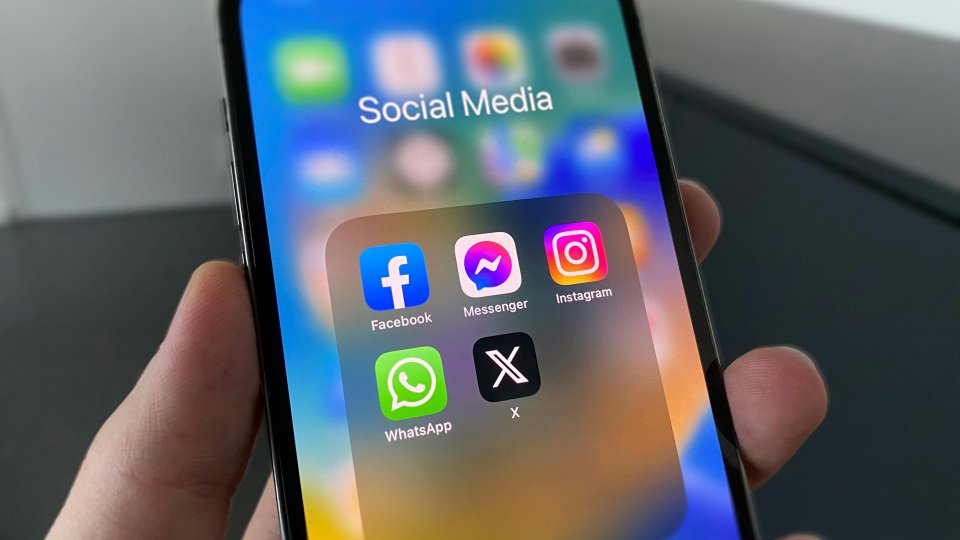
The Government has announced plans to introduce a ban on social media access for children under 16, alongside a broader package of measures aimed at improving children’s safety and wellbeing online. While we fully understand the intent behind this decision and the very real concerns from the public that have led to it, we do not believe this is the right direction to take.
Evidence across our line of work has consistently shown that the challenges children face online are complex and rooted in the wider digital environment. Restricting access to platforms, while highly visible, risks oversimplifying an issue that requires much deeper, systemic solutions.
That said, we accept that something has to change. As an organisation committed to supporting children, young people and the professionals around them, SWGfL will work constructively to support the transition and help ensure implementation is as safe and effective as possible.
What the Proposed Measures Include
The Government’s plans aim to prevent under-16s from accessing major social media platforms including Snapchat, TikTok, YouTube, Instagram, Facebook and X, while also introducing additional protections designed to address harmful features and behaviours.
This includes restricting functionalities such as livestreaming and direct communication with strangers, extending defaults for 16- and 17-year-olds, and exploring further measures such as overnight curfews and limits on infinite scrolling. The proposals will also apply more broadly, including some gaming environments, and will rely on strengthened age assurance and regulatory oversight.
A Concern About Timescale
One of our primary concerns relates to the timing of the announcement and the proposed timeline, with implementation expected in Spring 2027. With the consultation only just ending on the 26th May, the Government have responded alarmingly quickly considering the level of responses that were gathered (116,000). For such a significant policy, it opens the question up around whether the Government have allowed enough time to consider all positions to fully review the evidence.
A lead-in period of this length also creates a significant window for the online environment to significantly evolve. During this time, we would anticipate that new or alternative platforms will emerge that fall outside the scope of regulation, young people’s online behaviours will shift to manoeuvre around upcoming restrictions and activity may move into spaces that are less visible to parents, educators and safeguarding professionals.
This risks a situation where, by the time the measures come into force, the landscape they were designed to address has already moved on significantly.
What the Evidence Has Already Shown
The UK is following the lead of Australia, where similar restrictions have already been introduced. What we have seen from Australia’s initiative is that some young people are highly adept at navigating around restrictions. Whether through VPNs, alternative accounts, shared devices or migration to other platforms, the majority have continued to access social media in some form.
This is not a reflection of poor policy intent, but it does underline a fundamental challenge around enforcement. From the responses gathered from the Government’s consultation earlier this year, it was evident that a large portion of Civil Society members, working actively in this space were not in favour of these measures. What’s more disappointing is that despite the recognition of 9 out of 10 parents being in favour of a ban, the views of civil society seem to have not been represented with the same level of parity, despite the call for safety-by-design measures as well as holding platforms more to account. Restrictions do not remove demand, and where demand remains, circumvention will emerge.
What Professionals Are Telling Us
SWGfL’s recent survey of over 800 professionals working with children and young people provides important context for this debate.
The findings showed strong concern about the impact of social media, including its role in exposing children to harmful content, influencing wellbeing, and encouraging compulsive use. However, they also reveal a clear contradiction.
Many professionals expressed support for restrictions in principle, but at the same time questioned whether a ban could ever be fully effective. There was widespread recognition that young people will bypass restrictions or move to less regulated platforms, potentially increasing rather than reducing risk. It also completely ignores the experiences of children who find inclusivity, positivity and belonging across social media, which they may not be able to find offline.
This shows that support for a ban is often driven by a desire for meaningful action, rather than confidence that blanket solutions address the root of the problem. The proposed ban implies that platforms will be judged on a individual basis as opposed to safety-by-design being a systematic approach within the fabric of online spaces.
Supporting the Transition
Although we do not believe this is the right direction, we recognise that it is now a reality. SWGfL will therefore focus on supporting the sector through this transition.
This includes working with schools, safeguarding leads, policymakers across all 4 UK nations alongside industry to help prepare for the changes ahead, identify and respond to emerging risks and ensure that children’s experiences remain central to how these measures are implemented and refined.
We believe it is essential that this policy does not become the endpoint of the conversation. Limiting access to social media alone will not create a safer online environment for children.
There must remain a strong focus on the broader issues that underpin harm online, including platform design, algorithmic systems, and the responsibilities of technology companies. Without this, there is a risk that the same challenges simply reappear in different, less visible parts of the digital landscape.
SWGfL will continue to bring evidence, insight and frontline experience into this discussion. While we would not have chosen this path, we are committed to helping ensure that everyone should benefit from technology, free from harm