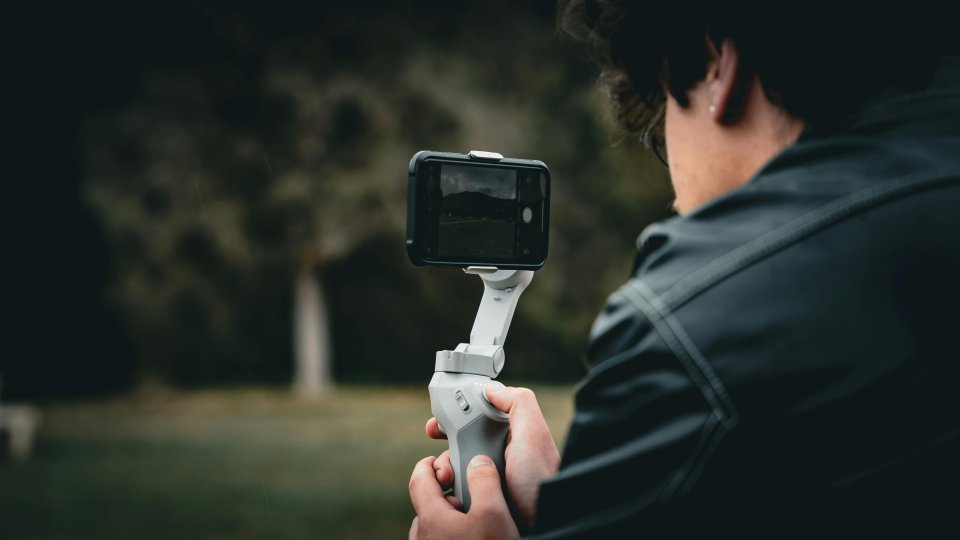
Recent media reporting has highlighted a growing trend of men publicly filming women, especially in social settings such as nights out (without their knowledge or consent) and then posting that footage on social media platforms where it gains widespread attention and, in some cases, profit.
Due to the increased exposure of this behaviour, we want to outline what the real harms are associated with this behaviour, how it spreads online, and the limitations of the current legal systems and safeguards available through platforms.
Hidden Filming Is Harmful but Not Necessarily Illegal
Many people assume that being filmed in a public space means you don’t need consent. It is true that there is no general right to privacy in public spaces. There is also no one unifying law that relates to filming individuals in public spaces. But there are some restrictions when the filming is intended for wide online distribution for entertainment or profit.
Women targeted in these videos have reported feeling violated, unsafe and objectified when they discover footage of themselves circulating online, often with sexualised captions, comments and jokes about their appearance. The lack of informed consent means the privacy and autonomy of those filmed in a public setting can be disregarded.
The law around voyeurism, for example, only extends to circumstances where people are filmed without consent engaging in sexual or intimate acts in areas reasonably expected to provide privacy.
Outside of sexual and intimate acts in private, people generally do not have any rights to privacy stopping filming in public places. For that reason, people taking videos of crowded beaches or high streets in the UK is not criminalised. There can be civil claims that give rise to privacy infringements if the publication of a film reveals sensitive details, and persistent filming even in public spaces of the same individual could give rise to harassment or public order offences.
More restrictions exist where there is an intention to sell, broadcast or monetise footage, data protection laws will likely apply and it is best practice to get signed released from individuals featured.
How These Videos Spread
When covertly filmed content is shared on social platforms, algorithms may prioritise it for engagement, increasing its reach and visibility. Other users (often men) can comment on the appearance of women, reinforcing objectification and misogynistic responses. Related and similar content may be recommended, shaping algorithmic pathways toward further harmful material and normalising this behaviour.
This dynamic fuels a cycle where women become the subject of non-consensual content that circulates widely and quickly, sometimes garnering thousands of views and comments that contribute to a culture of disrespect and misogyny.
Complications with Consent
Consent means a person knows they are being filmed and agrees willingly to it being shared, ideally with a clear understanding of how it may be used.
Covert filming can remove informed consent entirely, and when that footage is monetised or repurposed for content creators’ gain, the exploitation becomes more serious.
We have particular concern with cases where creators profit financially from content based on little or no consent from those appearing in it. This raises ethical questions about accountability and the responsibilities of platforms and creators alike in targeting individuals for their own gain.
Platform Accountability
Advanced wearable technology (such as smart glasses capable of recording and livestreaming) has made covert filming easier (and less visible), raising a lot of privacy concerns. Reviews and reporting on such products have noted that their design can allow recording without obvious indicators, especially in low-light situations.
We have ongoing concerns about the lack of sufficient safeguards to prevent this type of abuse. There seems to be very little service provider accountability when platforms host or monetise content that violates privacy and the mechanisms for reporting and removing content seem unfit for purpose.
Platforms must do more to deter and prevent harmful filming practices, protect those affected, and ensure that content which thrives on violation and objectification does not continue unchallenged.
What Support is Available?
It’s important to note that while covert filming and non-consensual content are serious concerns, reports made to Report Harmful Content specifically about this issue have been very small in number compared to other forms of online harm we experience.
Because of this, our direct experience in this area is limited but the advice we offer still encourages victims and bystanders to use reporting tools on platforms. If you feel you are in immediate danger, we advise to contact the police on 999.
If someone does come across covertly filmed content that features individuals without consent, the immediate actions include:
- Reporting the specific content on the platform where it is posted.
- Encouraging the person featured (if identifiable and reachable) to also report the content and preserve evidence.
You can also use Report Harmful Content if you want to learn more about how to report harmful content.