 NL
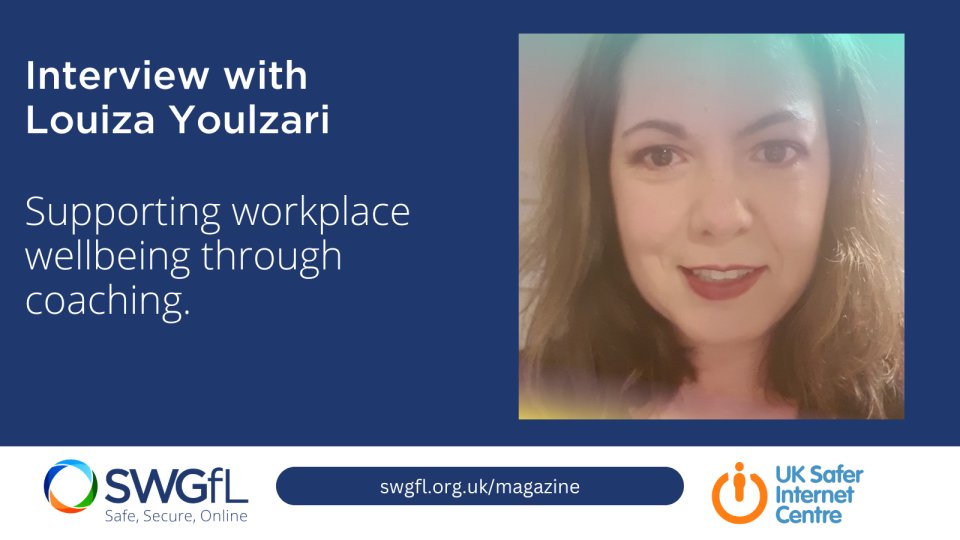
NLIn line with this year’s International Women’s Day theme, ‘Give to Gain’, which focuses on generosity and collaboration, we spoke to Louiza Youlzari, Programme Manager at SWGfL, about how she is supporting the SWGfL workforce through coaching. Our interview explores the benefits of coaching, particularly for a team that deals with sensitive issues such as online harm and image-based abuse.
Hi Louiza, thanks for taking part in our interview, following this year's International Women's Day. Firstly, we would like to know more about how coaching began for you. When did you start, and what inspired you to begin?
''I started coaching after I completed my PostGrad Certificate in Coaching and Mentoring from Marjohn University in Plymouth in 2022. A few years back I started listening to coaching podcasts and reading books about coaching, and was inspired by the way coaching could support people to reach up and aspire to achieve their dreams and goals. ''
At SWGfL you’ve supported staff through coaching. How has this benefited the individuals involved, and what changes have you noticed?
''I have had the privilege to coach people from our team who expressed a desire to have coaching. They all had something they wanted to aspire to or a change they wanted to make in their professional lives. It has been wonderful to witness them become more self-aware, understand their values and beliefs about themselves better, which in turn helped them gain confidence, believe more in their capabilities and align their work to their values.''
SWGfL works on challenging and often sensitive issues around online harm. How do you feel coaching supports staff in navigating this type of work?
''Coaching can really support self-care – it provides a safe and non-judgemental space for the person being coached to become more aware of their emotional, physical and psychological experiences and needs and encourage actions to make small, incremental changes for their well-being''
This interview is taking place in line with this year’s International Women’s Day theme, ‘Give to Gain’, which focuses on generosity and collaboration. How do you think workplace coaching reflects this theme?
''Coaching supports people to reach their full potential and, by doing so, has a ripple effect on those in their work and personal lives. People who feel supported and resourced are able to support others around them better.''
Would you recommend coaching for organisations similar to SWGfL? If so, why do you think it can be valuable in these environments?
''Yes, definitely. In organisations like SWGfL, the work can be emotionally demanding because we’re often supporting people experiencing harm. Coaching provides a valuable space for reflection, helping staff build resilience, confidence, and perspective. It can strengthen leadership, improve communication, and ultimately support healthier, more sustainable ways of doing important work.''
Finally, you have worked at SWGfL for over 15 years, overseeing vital projects that support the online safety of young people and adults impacted by harm. How do you think International Women’s Day connects with the work we do, particularly given that many forms of online harm disproportionately affect women and girls?
''Initiatives like International Women’s Day connect closely with our work because many forms of online harm, such as harassment and image-based abuse, disproportionately affect women and girls. Through our services, we see the real impact these harms can have. Movements such as this one are an opportunity to highlight those issues while also reinforcing the importance of creating safer, more inclusive online spaces where everyone can participate safely and confidently.''
We would like to thank Louiza for taking part in this interview, exploring how initiatives such as coaching can support workplace wellbeing, culture and personal development. This interview took place following International Women's Day, where SWGfL and the Revenge Porn Helpline launched two campaigns to explore the theme of collaboration and the impact of online harm on women and girls.
To learn more, please read our article.