
The Government's latest announcement to introduce default overnight social media curfews and restrictions on addictive platform features for 16- and 17-year-olds forms the next stage of announcements associated with the Governments consultation – Growing up in an Online World that was announced earlier this year. New measures have included overnight curfews, disabling autoplay, limiting personalised algorithmic feeds by default and increasing transparency around platform design.
We welcome efforts to reduce the influence of features intentionally designed to maximise engagement and keep young people online for longer. As highlighted by many NGOs in this space, these design choices are often driven by business models focused on capturing and retaining attention, rather than promoting children's best interests. However, while defaults can be helpful, healthy digital habits cannot be engineered solely through regulation.
Digital Wellbeing Starts with Conversations
Taking breaks from devices is important, and many young people would benefit from spending less time online late at night. But those breaks are most effective when supported through positive family communication, digital literacy and mutually agreed boundaries. We’re currently exploring this through our new Family Smart Start project which is currently in pilot.
For many families, technology is already a source of connection, creativity and support. The challenge is not simply reducing screen time but helping young people develop healthier relationships with technology that they can carry into adulthood.
Whilst restrictions can help support families, we should also be equipping parents, carers and young people with the knowledge and confidence to set boundaries that work for them. Digital resilience comes from understanding technology, not simply limiting access to it.
Regulation Must Avoid Creating New Risks
Experience tells us that blanket restrictions often result in unintended consequences. Just as concerns have been raised about the forthcoming under-16 social media ban, there is a real possibility that some young people will seek ways around curfews and restrictions. This may mean using VPNs, alternative accounts or migrating towards smaller, less regulated platforms where moderation and safeguarding measures are weaker.
The Government's decision not to age gate VPNs outright but instead place expectations on platforms to reduce circumvention is a sensible and pragmatic approach. We have yet to see the detail but Government will instruct Ofcom to ensure that platforms bear some accountability and that there is transparency about how users are accessing their services. Attempting to ban workarounds entirely is unlikely to succeed, but improving transparency around platform safeguards and encouraging providers to act responsibly is a positive step.
Any regulatory intervention should carefully consider whether it is reducing risk overall or simply pushing vulnerable users into harder-to-monitor spaces.
Focus on Design, Not Just Access
One of the most important observations from the debate is that restrictions alone do not address the underlying issue. Curfews and bans primarily manage exposure to risk rather than tackling the incentives that drive platforms to prioritise engagement over wellbeing. The long-term solution lies in encouraging safer, age-appropriate design from the outset rather than responding to harms after they emerge.
We have consistently argued that online safety should be built into products by design. Features that encourage endless scrolling, compulsive engagement and excessive notifications should be carefully assessed for their impact on young users long before they reach the market.
Supporting Parents Must Be a Priority
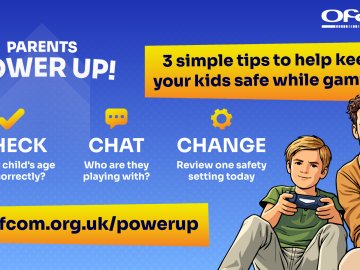
Alongside regulation, there is a clear need for investment in parent and carer support. New settings, curfews and AI protections will only be effective if families understand what they do, how to use them and how they fit into wider conversations about digital wellbeing.
The Government should work closely with trusted NGOs, schools and youth organisations that already support families navigating online life. Organisations working directly with children and parents can help translate policy into practical advice, ensuring that new protections genuinely empower families rather than creating confusion.
Safety by Design Must Come First
The announcement reflects a growing international recognition that digital products should not be designed around keeping young people endlessly engaged. Greater transparency, and improved accountability for technology companies are all welcome developments.
But meaningful online safety will require a balanced approach: one that combines safer product design with education, parental support and the development of healthy digital habits. Young people need opportunities to switch off and take breaks, but these habits are most sustainable when they are understood and supported, not simply imposed.